[ad_1]
🔙 The backdrop
There’ve been many catalysts of change in the fight for equality in sports: Title IX and Billie Jean King winning the “Battle of the Sexes” of course spring to mind, along with Sedona Prince’s 2021 TikTok that changed the game for NCAA women’s basketball (WBB).
- The 37-second video from the then-Oregon forward not only documented the vast difference between the men’s and women’s weight rooms during the 2021 NCAA basketball championships, but also exposed a history of sexism in college sports that’s left women’s athletics consistently underfunded and undervalued.
Public outrage prompted the NCAA to undergo a gender equity review following the viral TikToks, and to no one’s surprise, the findings weren’t pretty. According to the review, the NCAA didn’t have a system or infrastructure in place to ensure gender equity, and its practices proved as much.
The NCAA’s business strategy was also flawed. It didn’t consider women’s sports to be revenue-producing (*rolls eyes*) and, as a result, limited the potential of women’s sports’ TV contracts, bundling them with 24 other championships in a 2011 media rights deal they sold to ESPN for $500M.
Still, the findings of the review were a much-needed wake-up call, and the NCAA implemented some major changes as a result. In 2022, WBB finally enjoyed equal branding with men’s basketball (MBB). Since then, the women’s tourney has been able to use the title “March Madness,” and both Final Fours now have either “men’s” or “women’s” in the official name.
- The update provided the women’s event with one of American sports’ most valuable marketing assets, increasing name recognition for fans and business opportunities for advertisers. Boom.
📈 The impact
Source: Andy Lyons/Getty Images
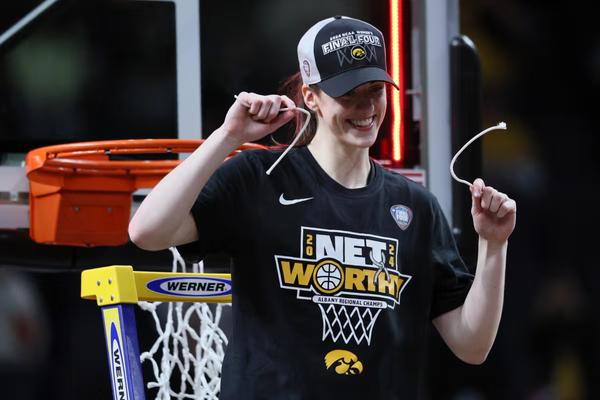
Once the NCAA gave WBB the opportunity, there was no looking back. Every year since the TikTok heard ’round the world, women’s March Madness has grown more and more successful.
- Example A? Viewership of the championship game. In 2022, the gals set a record high with a viewership average of 4.85M. That number nearly doubled in 2023 with 9.9M, then doubled again last year, coming in at 18.9M — nearly 4M more than the men’s.
Much of that increase was driven by the popularity of a singular superstar: Caitlin Clark. The Iowa alum and current Indiana Fever WNBA hooper drew unprecedented eyeballs to the collegiate women’s game with broken records, eye-popping logo threes, and unmatched swag. A ratings juggernaut.
Sponsors, of course, have taken note. Heading into the tournament, ESPN’s ad sales are up a whopping 132% from last year. And now that college athletes can sign name, image and likeness (NIL) deals with brands, WBB hoopers have taken advantage.
- And outside brands aren’t the only ones putting their money where their mouth is. This year, the NCAA will award prize payouts, aka “units,” to conferences whose WBB teams compete in the Big Dance. The men have used this system for years, but now the women are finally getting a piece of the pie.
🛑 The roadblocks

Source: Greenville News
Demand for the women’s March Madness tournament is surging, but continued infrastructural failings can’t be ignored. For example, the women’s Final Four will take place at Tampa’s 20.5K-seat Amalie Arena, while the men will head to San Antonio’s Alamodome, which fits around 68K. Locations are chosen years in advance, so these venues don’t reflect WBB’s rapid growth.
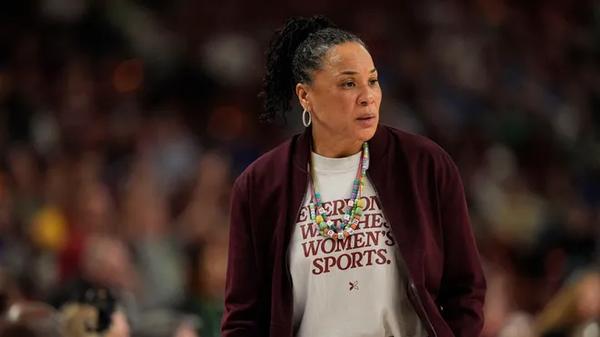
There also remains a huge pay gap between MBB and WBB coaches. This January, legendary South Carolina women’s HC Dawn Staley became the highest-paid bench boss in WBB after leading her Gamecocks to their third national championship of her tenure, inking a new salary worth $4M annually.
🆕 The evolving landscape

Source: G Fiume/Getty via The New Yorker
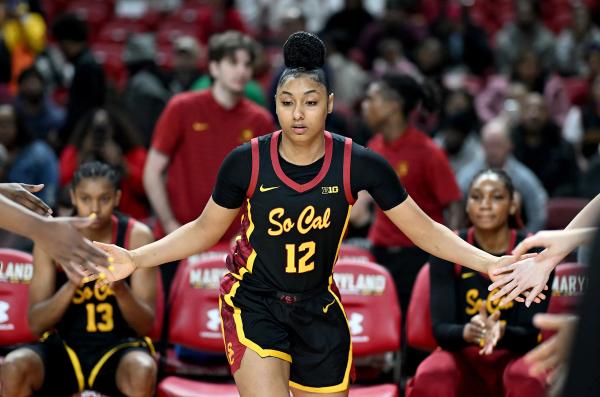
The Caitlin Clark Effect has a long tail, especially with so many young WBB stars on the rise. For example, last season, the aforementioned Bueckers chose to return to school for a fifth year instead of declaring for the WNBA Draft, in part because of her NIL earnings. Now, she’ll enter next month’s draft as the likely No. 1 overall pick — and perhaps as a national champion.
- TCU’s Hailey Van Lith made a similar call, believing an extra year in college would be better for her development rather than leaping to the pros.
- And when it comes to star power, the game’s in very good hands. Of this year’s five first-team All-Americans, three are just sophomores: USC’s Watkins, Notre Dame’s Hannah Hidalgo, and Texas’ Madison Booker — future’s so bright, you gotta wear shades.
College WBB’s symbiotic relationship with the WNBA is also crucial to the pro league’s growth, as well as that of brand-new league Unrivaled, started by former UConn teammates Breanna Stewart and Napheesa Collier.
- And as both leagues continue to expand, there’ll be added roster spots ensuring more college stars can play at the next level. Swish swish.
[ad_2]